
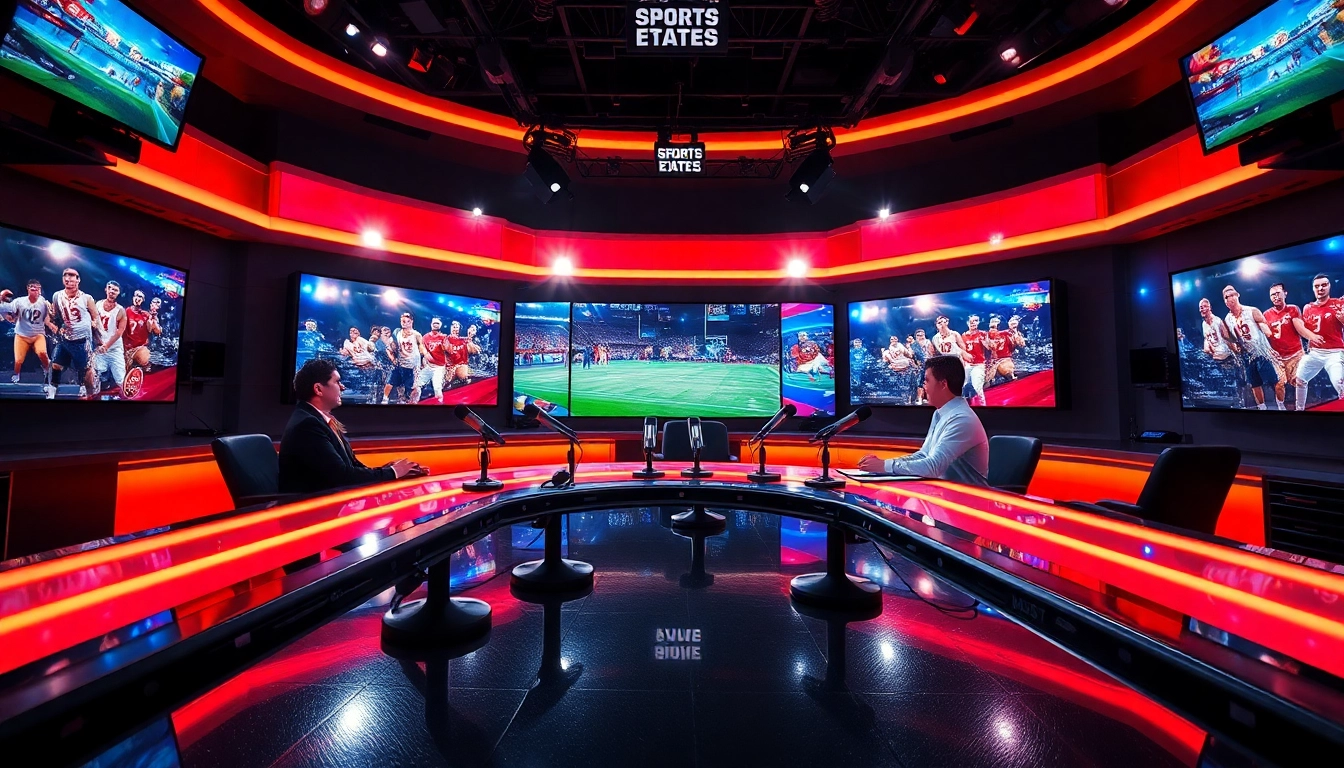
Introduction to Sports Broadcasting
What is Sports Broadcasting?
Sports Broadcasting encompasses all the activities involved in transmitting sports events to audiences through various media platforms. This can include television, radio, and digital streaming services. It serves as a bridge between fans and the sports they love, providing crucial insights, commentary, and analysis. In an age where fans seek instant access to games and highlights, the importance of Sports Broadcasting continues to escalate, making the industry vibrant and fast-paced.
The Evolution of Sports Broadcasting
The journey of sports broadcasting began in the early 20th century, transitioning from radio broadcasts to television coverage. Radio introduced play-by-play commentary, revolutionizing how fans experienced games. The advent of television brought visuals, creating a more immersive experience. Over the years, technological advancements such as satellite networks, HD technology, and the internet have further transformed how sports are broadcasted. Today, sports broadcasting includes live digital streams, augmented reality graphics, and mobile applications, changing how consumers engage with sports content.
Key Roles in Sports Broadcasting
Several pivotal roles contribute to effective sports broadcasting. Commentators provide narrative and engage viewers with their analysis during games. They are supported by producers, who oversee the broadcast's overall production and ensure seamless execution. Technical directors manage the broadcast's technical side, ensuring audio-visual quality is stellar. Behind the scenes, research staff supply essential statistics and trivia, which enhance the viewer's understanding of the game. Understanding these roles helps aspiring sports broadcasters grasp the collaborative nature of this industry.
Essential Skills for Sports Broadcasting
Communication and Presentation Skills
Excellent communication skills are crucial for sports broadcasters. They must articulate thoughts clearly, engage the audience, and convey emotions effectively. Both verbal and non-verbal skills, including body language and facial expressions, play a significant role while presenting on-screen. Furthermore, radio broadcasters often hone their vocal skills, focusing on clarity and tone. Engaging storytelling can captivate viewers, enhancing their experience and connection to the game.
Understanding Sports and Statistics
A deep understanding of the sports being covered, as well as relevant statistics, distinguishes a novice broadcaster from an expert. Broadcasters need to be familiar with the rules, strategies, and history of the sports they present, as well as player statistics and records. This knowledge allows them to provide meaningful analysis, enrich viewer interest, and enhance the broadcast with insightful commentary and critical assessments.
Technical Proficiency in Broadcasting Tools
In an ever-evolving digital landscape, technical proficiency is indispensable. Broadcasters should be comfortable using tools such as video editing software, sound equipment, and streaming platforms. Knowing how to handle the latest broadcasting technology, including graphics and sound design, helps create a polished and professional presentation. Furthermore, as more broadcasts move online, an understanding of digital platforms and social media engagement is becoming increasingly valuable.
Challenges in Sports Broadcasting
Handling On-Air Errors
One of the most daunting challenges faced by sports broadcasters is the potential for on-air errors. Mistakes can range from misidentifying players to broadcasting inaccuracies. The key to mitigating this risk lies in preparation, practice, and the ability to think on one’s feet. Acknowledging and addressing errors with humility can display professionalism and maintain trust with the audience.
Coping with Time Constraints
Time constraints can add pressure, especially during live broadcasts when timing is critical. Broadcasters must ensure they provide relevant commentary without dragging the flow of the game. Effective time management techniques, such as pre-broadcast planning and rehearsal, can significantly enhance performance. Familiarity with the game helps broadcasters anticipate key moments, making their commentary more impactful.
Engaging Diverse Audiences
Today’s sports fans come from diverse backgrounds, requiring broadcasters to appeal to various demographics. This challenge necessitates adaptability and cultural awareness. Broadcasters should strive to include representations of various fan perspectives, catering their presentations to resonate with a broader audience without alienating specific groups. Understanding audience feedback can provide invaluable insights into content preferences and engagement strategies.
Best Practices in Sports Broadcasting
Researching and Preparing for Broadcasts
Preparation is vital in sports broadcasting. Comprehensive research prior to a broadcast allows broadcasters to identify relevant statistics, player biographies, and historical context. Preparation includes understanding the stakes of the event, as this can enhance commentary quality and depth. Broadcasters can create checklists or mind maps to organize their thoughts and ensure a more coherent flow during the broadcast.
Building a Strong Personal Brand
In a saturated market, establishing a unique personal brand can help a broadcaster stand out. This includes creating a distinctive on-air persona that resonates with viewers. Consistency in messaging, aesthetics across platforms, and a professional online presence can also bolster a broadcaster's brand. Engaging in social media discussions and sharing insights can humanize the broadcaster, fostering a relatable image that attracts fans.
Networking within the Industry
Networking is instrumental in the sports broadcasting arena. Engaging with industry peers can present valuable opportunities for mentorship, collaboration, and insights into emerging trends. Attending industry events, conventions, and joining professional organizations can broaden a broadcaster’s network. Actively participating in online forums or social media groups dedicated to sports broadcasting can also foster meaningful connections.
Future Trends in Sports Broadcasting
Impact of Technology on Sports Broadcasts
Advancements in technology are shaping the future of sports broadcasting. Innovations like virtual reality (VR) and augmented reality (AR) are set to enhance viewer experiences by providing immersive viewing options that traditional broadcasts cannot match. Enhanced graphics and real-time analytics tools will likely become a staple, offering audiences an enriched understanding of the events they watch.
Increasing Popularity of Online Streaming
As more viewers shift to online platforms for their sports content, the broadcasting landscape is evolving rapidly. Cable subscriptions have seen significant declines, leading networks and sports organizations to prioritize streaming services. Leveraging social media platforms for live content and fan engagement will likely become standard practices, requiring broadcasters to adapt their strategies accordingly.
Future Career Opportunities
As the demand for diverse sports content grows, new career opportunities within sports broadcasting are presenting themselves. Roles in content creation, social media management, podcasting, and data analysis are increasingly relevant. Broadcasters who continuously update their skills and adapt to changes in the industry will be best positioned to thrive in this dynamic environment.
FAQs about Sports Broadcasting
What qualifications are needed for a career in sports broadcasting?
While formal education in journalism or communications is valuable, practical experience and a deep understanding of sports are equally important. Internships and hands-on broadcasting experience can greatly enhance your qualifications.
How can I improve my on-air presence?
Practice, feedback, and training are essential. Consider recording your practice sessions to analyze your performance and refine your presentation skills gradually. Attending workshops can also provide valuable insights and techniques.
What kind of technology should a sports broadcaster know?
Familiarity with video editing software, sound equipment, and digital broadcasting tools is critical. Knowledge of social media platforms and engagement strategies is also increasingly necessary in today's broadcasting environment.
How do broadcasters handle live errors?
Professionalism is key in addressing live errors. Acknowledging mistakes gracefully and maintaining composure helps preserve credibility. Apologizing if necessary can also strengthen audience trust.
What is the future of sports broadcasting?
With technological advancements and a shift towards online streaming, the future of sports broadcasting looks dynamic. Innovations like VR, AR, and interactive platforms will redefine viewer engagement and create new opportunities for broadcasters.